Turning a Training Day Into Three Concrete Drills Based on Your Weakest Metric
kTool
·
·
3 min read
It's tempting to walk off the water after a good training day and call it a win. But "it felt good" doesn't tell you what to do next time. The sailors who improve fastest usually don't train the most hours. They turn each session into a specific plan for the next one, something they can test. That starts with finding your weakest number and building drills around it.
Step 1: Find the One Number That's Holding You Back
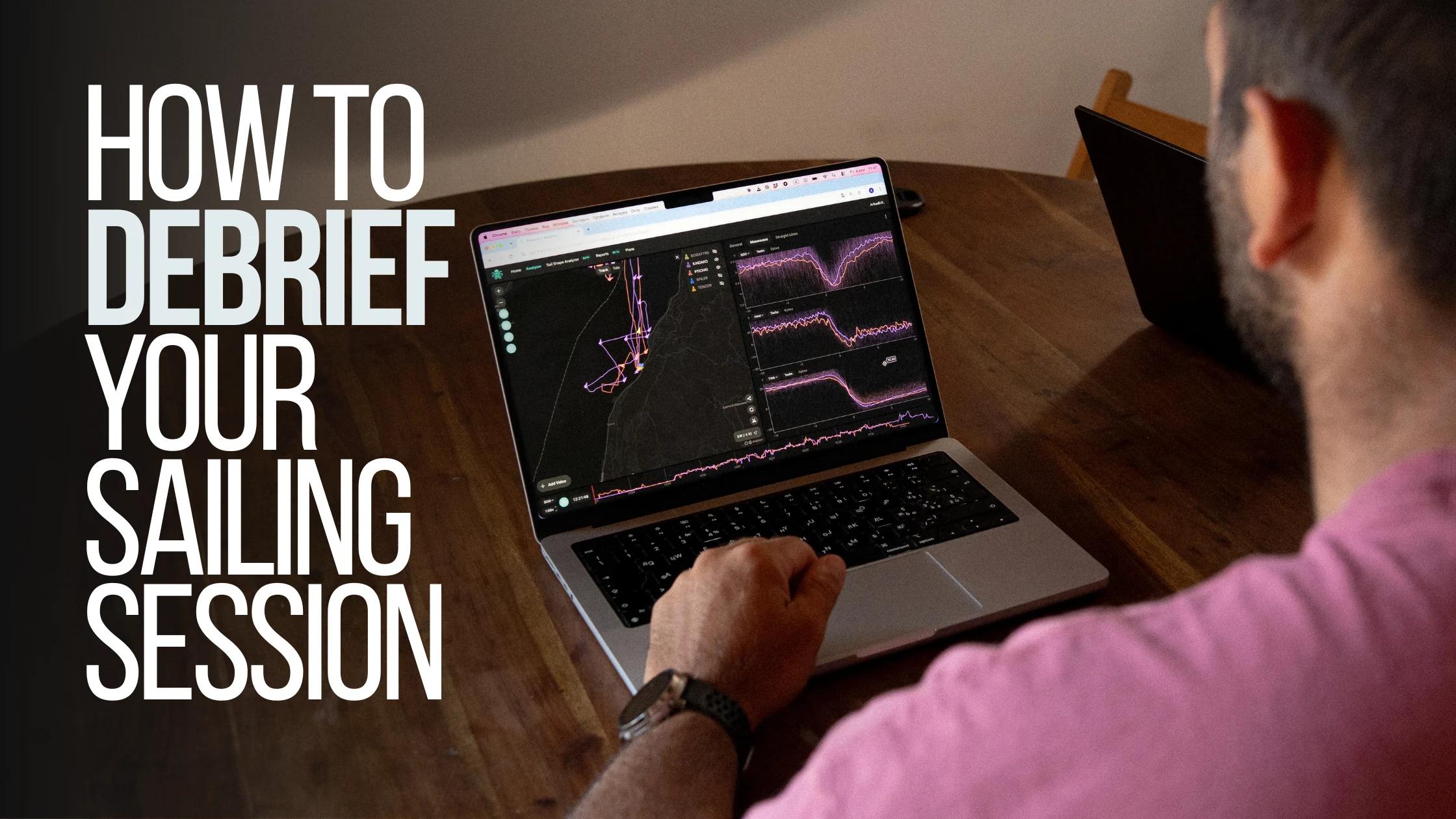
After a session, don't try to look at everything at once. Open your kTool debrief and find the clearest gap. Go with what the data shows, even if something else feels bigger in your memory.
- Are your tacks losing more speed going in than coming out?
- Is your upwind VMG well below where it should be for the conditions?
- Is your tacking angle wider than it should be?
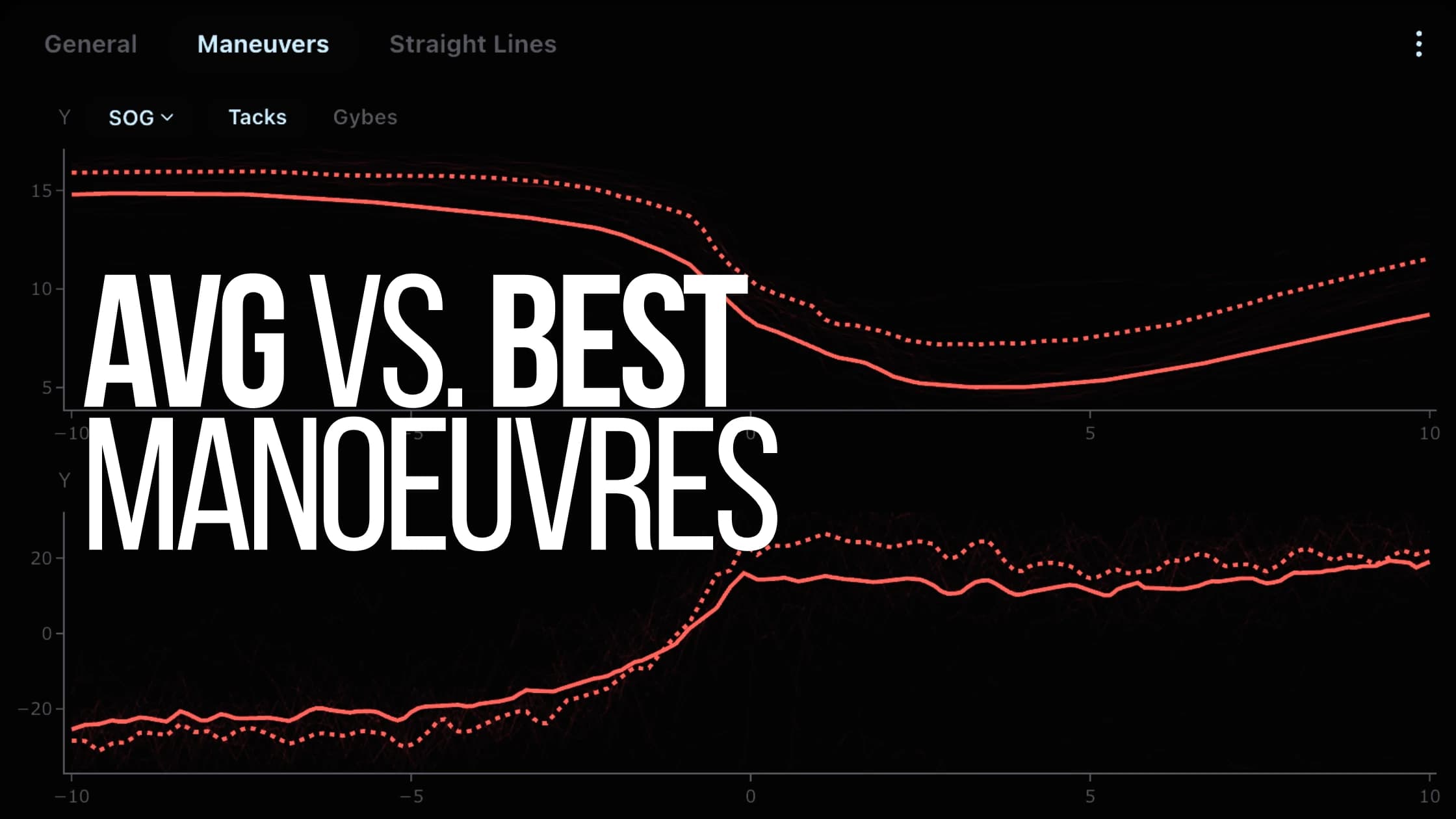
- Are you slower out of maneuvers than in your top 25%?
Pick one. Try to fix three things in one training day and you'll usually fix none of them.
Step 2: Turn the Number Into a Drill
Once you know what is weak, the next step is designing a drill that isolates it. A few examples:
Weak metric: slow acceleration after tacks
Drill: Do 10 tacks in a row focused only on getting back to target speed as fast as possible, no other goal. Compare your speed-build time tack to tack.
Weak metric: wide or asymmetric tacking angle
Drill: Sail a short upwind box, tacking every 60–90 seconds, focusing purely on matching TWA port and starboard. Check the numbers afterwards. Did the gap close?
Weak metric: VMG below target upwind
Drill: Sail three-minute straight-line legs at three different heights (pinching, target, footing) and compare VMG across them to find where your actual sweet spot is versus your assumed one.
Each drill should have one clear focus and a way to measure it in the data afterwards. That's what separates a drill from just sailing around.
Step 3: Build Three, Not One
A single drill is useful, but a full session works better broken into three blocks:
- Warm-up drill. Low-intensity, technique-focused reps on the weak skill (e.g., slow, deliberate tacks focusing on form).
- Race-pace drill. The same skill, but at full speed and under some pressure (e.g., tacking in a short course, or with a training partner alongside).
- Applied drill. The skill in a realistic scenario (e.g., a start sequence, or a short race simulating the situation where that weakness costs you the most).
This progression takes a weakness from isolated practice to something that holds up under race conditions, which is where it actually matters.
Step 4: Check the Data, Not Just the Feeling
At the end of the session, go back to the same metric you started with. Did your average move? Did the gap between your average and your top 25% close? If nothing changed, you still learned something. Maybe the drill wasn't specific enough, or maybe the weakness has a different root cause than you assumed.
Training with a target metric turns every session into an experiment instead of just repetition. Over a season, that's the difference between logging hours and actually getting faster.
Good sailors train hard.The best ones train smart.
Start free — no cardRelated posts